
When it comes to breast cancer screening, there is no one-size-fits-all approach. Every woman has a unique health history, breast density, family history, and level of risk.
While mammograms remain an important part of breast cancer screening, some women may benefit from additional imaging to provide more information about breast tissue.
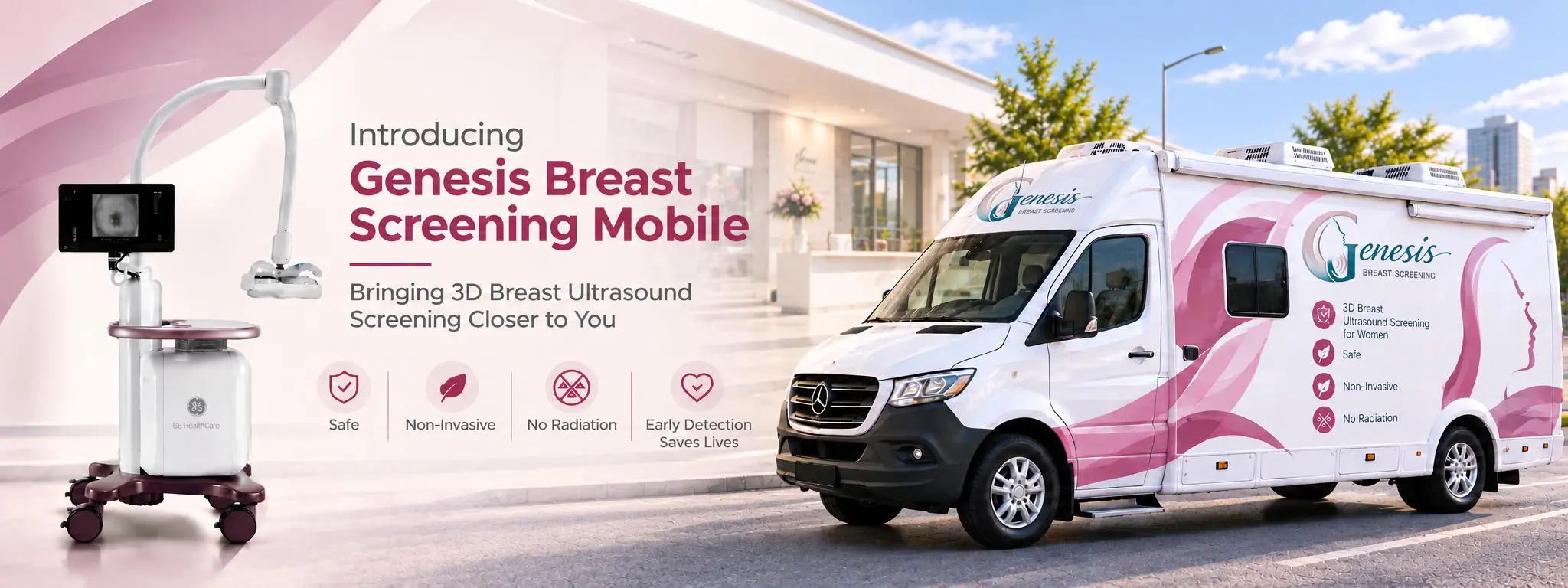
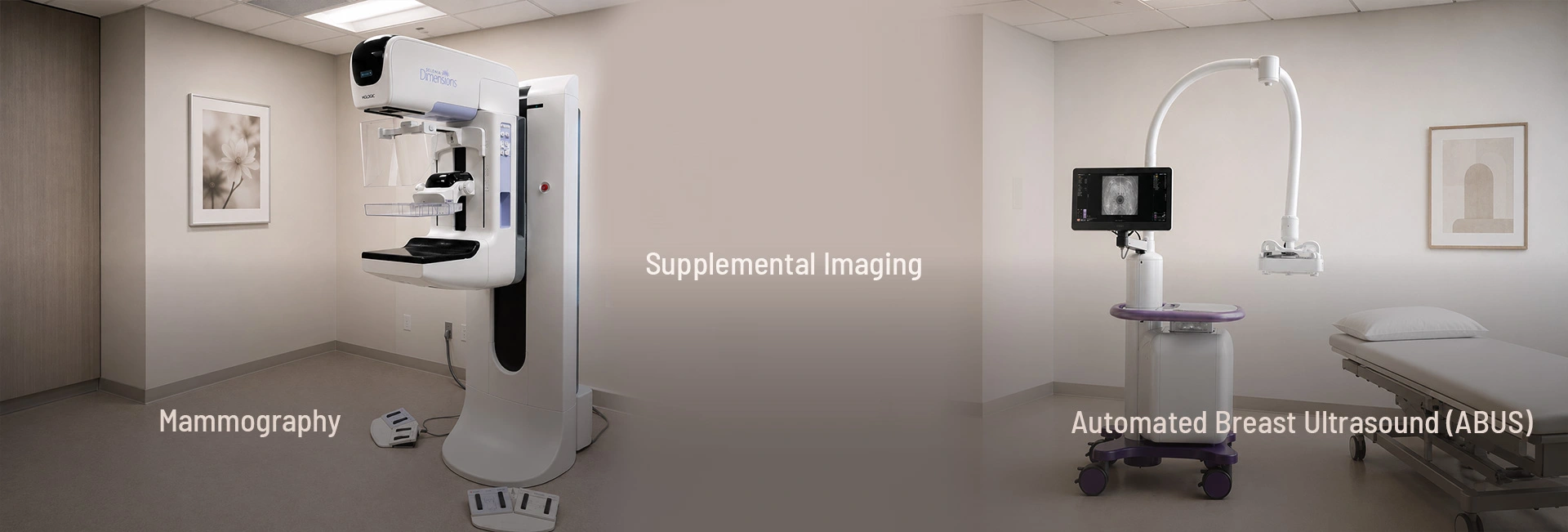
One supplemental screening option is Automated Breast Ultrasound, or ABUS. ABUS is not a replacement for a mammogram. Instead, it is designed to work alongside mammography for eligible women with dense breast tissue.
Who May Benefit From ABUS?
Women With Dense Breast Tissue
One of the most common reasons a woman may consider ABUS is dense breast tissue.
Dense breast tissue is common and can make it more difficult to see certain findings on a mammogram. This is because both dense tissue and some abnormalities can appear white on mammography images.
ABUS provides additional ultrasound images of the breast that can give the radiologist more information when evaluating dense tissue.
Breast density is determined through mammography. Women can find this information in their mammogram results or discuss it with their healthcare provider.
Women Ages 40 and Older With Dense Breasts and a Recent Mammogram
For women who have had a normal or benign mammogram and were told they have dense breast tissue, ABUS may be an appropriate supplemental screening option.
ABUS does not replace mammography. Mammograms remain important because they can identify certain findings that may not be seen as clearly with ultrasound.
When used alongside mammography, ABUS can provide an additional layer of imaging for women with dense breasts.
Women Who Have Questions or Concerns About Mammography
Life is busy, and many women delay routine breast screening for understandable reasons. Common concerns may include:
- Fear of discomfort or pain
- Anxiety about possible results
- Busy schedules
- Previous negative healthcare experiences
- Uncertainty about available screening options
Mammography remains an important part of breast cancer screening. Learning more about breast density and supplemental imaging options may help women feel more informed as they talk with their healthcare provider about a screening plan that is right for them.
ABUS is not intended to replace a mammogram, but it may be part of the conversation for women with dense breast tissue after mammography.
Women With a Personalized Screening Plan
Some women have factors that may place them at higher risk for breast cancer, including:
- A strong family history of breast or ovarian cancer
- Known genetic mutations, such as BRCA1 or BRCA2
- Previous chest radiation treatment
- Certain prior breast findings
- A personal history of breast cancer
- Dense breast tissue
Women with higher-risk factors may need a personalized screening strategy. Depending on individual risk, a healthcare provider may recommend mammography, breast MRI, ultrasound, or other imaging.
ABUS may be appropriate for some women, but the right screening plan should be based on an individual discussion with a healthcare provider.
ABUS Is a Screening Exam, Not a Diagnostic Exam
ABUS is intended for women without breast symptoms who are seeking supplemental screening after mammography.
Women with a new lump, nipple discharge, skin changes, persistent focal breast pain, swelling, or another breast concern should contact their healthcare provider promptly. These symptoms may require diagnostic imaging or a different type of medical evaluation.
A More Informed Approach to Breast Health
ABUS is designed to add information, not replace mammography. For eligible women with dense breast tissue, it can provide additional imaging that supports a more complete breast screening conversation.
At Genesis Breast Screening, we offer advanced ABUS technology in a calm, welcoming, patient-focused environment. Our exams are interpreted by a radiologist, helping patients receive clear information about their supplemental screening results.
To learn more about ABUS, dense breast screening, or scheduling an appointment, contact Genesis Breast Screening.
This information is educational and is not medical advice. Talk with your healthcare provider about the breast screening plan that is right for you.