
Taking care of your breast health more than responding to a symptom or attending a scheduled appointment. It also means understanding your screening options and making informed decisions about your health. For many women, breast ultrasound is an imaging option worth discussing with a healthcare professional, particularly when dense breast tissue or individual risk factors make additional screening relevant.
At Genesis Breast Screening, we believe that access to information can help women approach breast screening with greater confidence. Understanding how ultrasound works, what it can offer, and when it may be appropriate is an important step toward proactive breast health.
What Is Breast Ultrasound Screening?
Breast ultrasound uses high-frequency sound waves to create images of the internal structures of the breast. Unlike mammography, it does not use ionizing radiation. It can help clinicians examine breast tissue and identify areas that may require further evaluation.
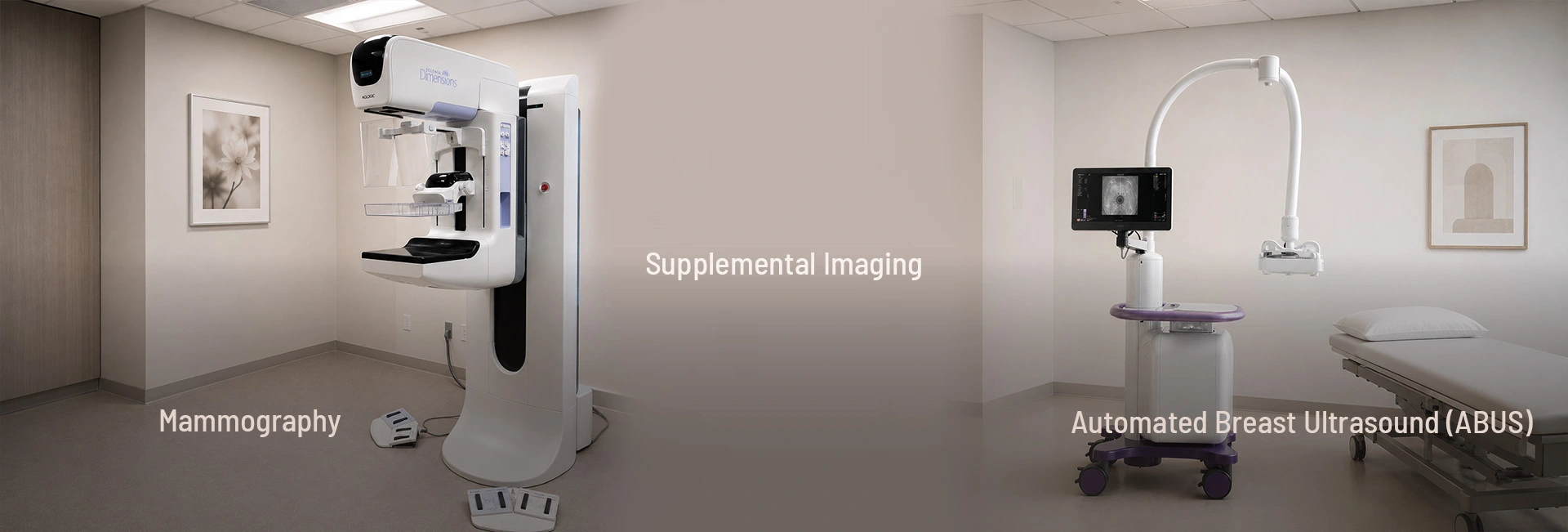
Automated Breast Ultrasound (ABUS) is a specialized technology that captures three-dimensional images of breast tissue. It is designed to provide a more comprehensive view of the breast and can be particularly useful as a supplemental screening option for women with dense breasts.
It is important to understand that breast ultrasound and mammography serve different purposes. Ultrasound does not replace mammography when mammography is recommended. A healthcare professional can help determine whether ultrasound should be included in an individual screening plan.
Potential Benefits of Annual Breast Ultrasound Screening
1. Additional Information for Women With Dense Breasts
Breast density refers to the proportion of fibrous and glandular tissue compared with fatty tissue in the breast. Dense breast tissue is common, but it can make some abnormalities more difficult to identify on a mammogram.
Ultrasound provides a different way to visualize breast tissue and may reveal certain abnormalities that are not visible on mammography. For women with dense breasts, supplemental ultrasound may therefore provide additional information as part of an individualized screening strategy.
The appropriate screening combination depends on breast density, age, personal medical history, family history, and other risk factors.
2. Screening Without Ionizing Radiation
One advantage of breast ultrasound is that it uses sound waves rather than ionizing radiation to produce images.
This makes ultrasound an option for women who want to understand radiation-free supplemental breast screening. Automated breast ultrasound can be particularly appealing to those looking for additional imaging without the radiation associated with X-ray-based examinations.
However, being radiation-free does not automatically mean that ultrasound is necessary for every woman. The potential benefits and limitations should be considered with a qualified healthcare professional.
3. A Different Approach to Visualizing Breast Tissue
Mammography and ultrasound create images in different ways. Because the technologies are different, ultrasound may identify some findings that are not apparent on a mammogram.
Automated Breast Ultrasound provides three-dimensional imaging that helps visualize breast tissue from multiple perspectives. When used in appropriate clinical situations, it can complement other screening methods.
This additional perspective may be particularly relevant for women with dense breasts or certain risk factors. Ultrasound findings that appear suspicious may still require diagnostic mammography, targeted imaging, or a biopsy to determine their nature.
4. A Noninvasive Screening Option
Breast ultrasound is noninvasive and does not require a surgical procedure or the use of ionizing radiation. Automated ultrasound screening also avoids the breast compression associated with mammography.
For women who feel anxious about screening, understanding what to expect beforehand can make the experience more manageable. Learning about the technology, the appointment process, and how results are reviewed can help women make informed decisions about their care.
Every screening method has its own limitations, so comfort should be considered alongside clinical suitability.
5. A Proactive Approach to Breast Health
An annual health review can be a useful opportunity to discuss breast health, understand changes in personal risk, and review previous screening results. For women whose healthcare professionals recommend annual supplemental ultrasound, keeping to the advised schedule can help maintain continuity in their screening plan.
Regular screening is not a guarantee that cancer will be detected, nor does it prevent breast cancer from developing. Its purpose is to look for signs of disease in people who do not have symptoms.
The right screening interval is not the same for everyone. Women should follow a schedule based on their individual risk profile and the recommendations of their healthcare professional.
6. Screening Options That Can Be Tailored to Individual Needs
There is no single screening plan that is appropriate for every woman. Age, breast density, family history, previous breast biopsies, genetic factors, and personal medical history can all influence screening decisions.
Some women may benefit from supplemental breast ultrasound alongside mammography. Others may need MRI or a different screening approach because of their risk level.
An informed conversation with a healthcare professional can help clarify which options are appropriate, whether supplemental imaging is worthwhile, and how often screening should take place.
7. Greater Awareness and Confidence in Screening Decisions
Understanding the purpose of breast screening can help women take a more active role in their healthcare. Rather than choosing a test based on convenience or fear alone, women can ask questions about the benefits, limitations, possible follow-up examinations, and expected costs.
A screening result may be reassuring, but no test can rule out every possible abnormality. Some ultrasound findings are benign, while others require additional evaluation. Knowing this in advance helps set realistic expectations.
The goal is not simply to undergo more tests. It is to choose appropriate screening that supports informed, individualized healthcare decisions.
Who Should Consider Breast Ultrasound Screening?
Breast ultrasound may be worth discussing with a healthcare professional if you:
- Have dense breast tissue and want to understand your supplemental screening options.
- Have been advised to consider additional imaging based on your breast cancer risk.
- Have questions about automated breast ultrasound and how it differs from mammography.
- Want to understand the available screening options before making a decision.
- Have a personal or family history that may influence your screening recommendations.
Women who notice a new breast lump, nipple discharge, skin changes, or another unusual breast change should seek prompt medical evaluation rather than waiting for their next screening appointment. A diagnostic examination may be needed instead of routine screening.
Visit https://genesisbreastscreening.com/who-its-for/ to learn more.
Breast Ultrasound vs. Mammography: Understanding the Difference
Mammography uses low-dose X-rays to examine breast tissue and remains a central method of breast cancer screening. Ultrasound uses sound waves to produce images of internal breast structures.
Mammography can identify findings such as certain calcifications that ultrasound may not show as effectively. Ultrasound can provide additional information about some abnormalities, including in dense breast tissue.
These methods are complementary in selected situations, not interchangeable. The most suitable approach depends on your age, risk factors, breast density, symptoms, and existing screening history.
Why Consider Genesis Breast Screening?
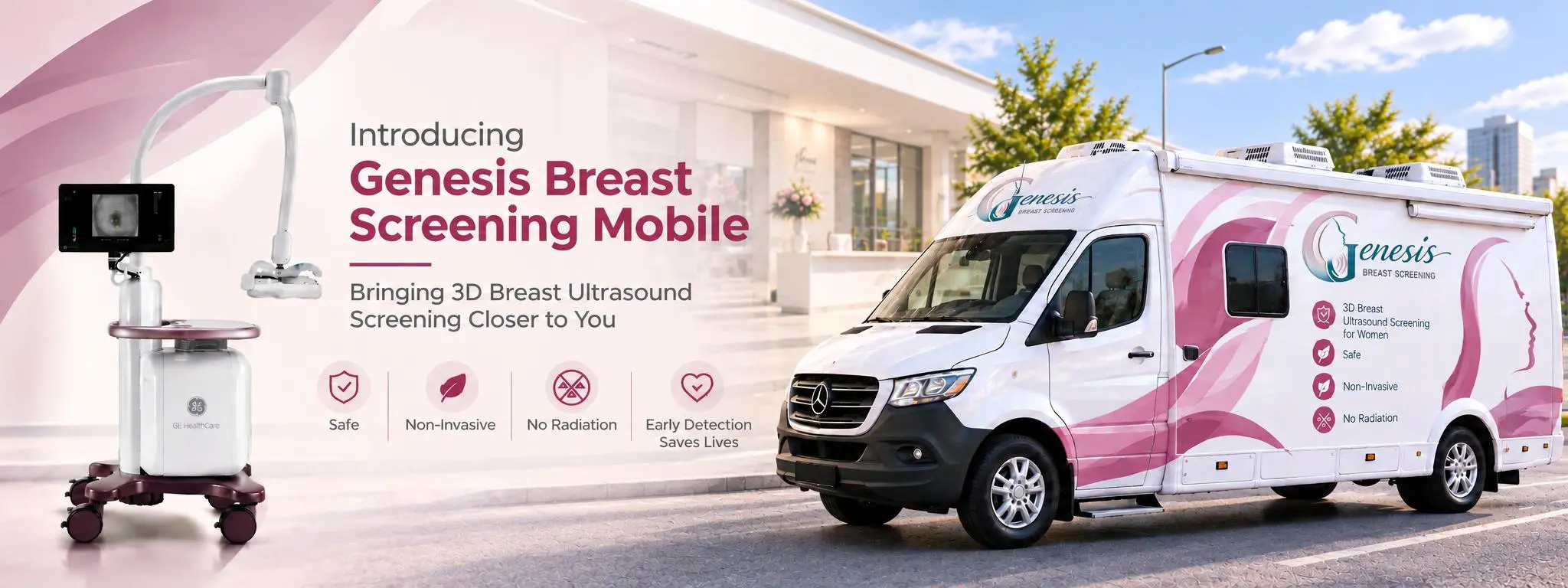
Genesis Breast Screening provides Automated 3D Breast Ultrasound screening designed to support women seeking additional information about their breast health.
The practice uses advanced 3D ABUS imaging, with images reviewed by board-certified radiologists. Its approach emphasizes patient comfort, privacy, and clear information about supplemental screening.
For women interested in learning whether automated breast ultrasound could be appropriate for them, the team can help explain the screening process and available appointment options.
To learn more about Genesis Breast Screening and its services.
Frequently Asked Questions About Annual Breast Ultrasound Screening
Is annual breast ultrasound screening necessary for every woman?
No. Annual ultrasound is not universally recommended for every woman. It may be appropriate as supplemental screening for certain women, particularly depending on breast density and individual risk. A healthcare professional can help determine the right interval and imaging approach.
Can breast ultrasound detect breast cancer?
Ultrasound can identify abnormalities that may be associated with breast cancer. However, not every abnormality is cancer, and ultrasound may miss some cancers. Additional imaging or a biopsy may be required when a finding needs further evaluation.
Can breast ultrasound replace a mammogram?
No. Breast ultrasound is not a universal replacement for mammography. Each method has strengths and limitations, and a healthcare professional should determine the appropriate combination of screening tests.
Is automated breast ultrasound safe?
Automated breast ultrasound uses sound waves and does not use ionizing radiation. Like other screening methods, it has limitations and additional tests requirement.
What is the difference between ABUS and traditional breast ultrasound?
Traditional breast ultrasound is generally performed manually by a sonographer or clinician examining selected areas. ABUS uses an automated system to capture multiple images of the breast, which are reconstructed into three-dimensional views for interpretation by a qualified radiologist.
What should I do if I notice a breast change between screening appointments?
Contact a healthcare professional promptly. Do not wait for your next annual screening appointment, even if your previous screening results were normal.
Take the Next Step Toward Informed Breast Health
Understanding your screening options is an important part of looking after your breast health. For some women, supplemental breast ultrasound can provide useful additional information, particularly when dense breast tissue or other risk factors are present.
The best screening plan is one that reflects your individual needs and follows appropriate medical guidance.
If you would like to learn more about Automated Breast Ultrasound at Genesis Breast Screening, visit https://genesisbreastscreening.com/services-info/ and explore the available screening options.
Medical disclaimer: This article is intended for educational purposes only and does not provide medical advice or replace an individualized assessment by a qualified healthcare professional. Screening recommendations vary according to age, breast density, personal history, and breast cancer risk.